端午節(jié)的英語(yǔ)作文(精選4篇)
在日常的學(xué)習(xí)、工作、生活中,許多人都寫過(guò)作文吧,借助作文可以宣泄心中的情感,調(diào)節(jié)自己的心情。你寫作文時(shí)總是無(wú)從下筆?下面是小編整理的端午節(jié)的英語(yǔ)作文,僅供參考,歡迎大家閱讀。
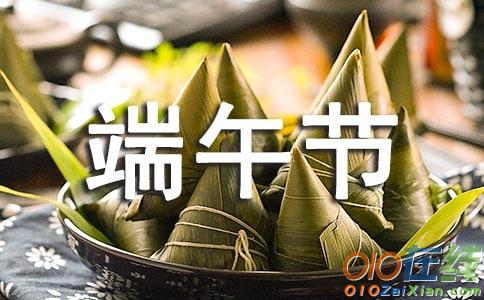
端午節(jié)的英語(yǔ)作文1
Dragon Boat Festival is one the very classic traditional festivals, which has been celebrated since the old China. Firstly, it is to in honor of the great poet Qu Yuan, who jumped into the water and ended his life for loving the country. Nowadays, different places have different ways to celebrate.
端午節(jié)是一個(gè)非常經(jīng)典的傳統(tǒng)節(jié)日,自古以來(lái)就一直被人們所慶祝。首先,是為了紀(jì)念偉大的詩(shī)人屈原,屈原跳入水自殺,以此來(lái)表達(dá)了對(duì)這個(gè)國(guó)家的愛(ài)。如今,不同的地方有不同的慶祝方式。
In my hometown, there will be a traditional competition, that is the dragon boat race. People make up the team and fight for the honor. Every boat looks like the dragon and it is the most obvious feature. A lot of people will come to visit or watch the match. Then the game begins. The audience will cheer for the teams and the competitors try their best to make the boat go fast. It is very lively.
在我的家鄉(xiāng),會(huì)有一場(chǎng)傳統(tǒng)的龍舟比賽。人們組成不同的團(tuán)隊(duì),為榮譽(yù)而戰(zhàn)。每條船看起來(lái)都像是一條龍,這是最明顯的特征。許多人會(huì)來(lái)參觀或觀看比賽。然后比賽開(kāi)始厚,觀眾就會(huì)為隊(duì)伍加油,選手們盡最大努力讓船快點(diǎn)開(kāi)。氣氛非常熱鬧。
Besides the competition, eating the traditional food zongzi is favored by everyone. For me, it is very delicious. My grandma makes the best zongzi. She has the special recipe and it fits my stomach. So every time I go back hometown, my grandma will make it for me.
除了比賽之外,吃粽子的傳統(tǒng)也深受大家喜愛(ài)。對(duì)我來(lái)說(shuō),粽子非常美味。我奶奶做的粽子是最好吃的,她有特別的制作方法,非常符合我的'胃口。所以每次我回到家鄉(xiāng),奶奶都會(huì)給我做粽子。
In other places, drinking the special wine and hanging the leaf are also the tradition. The preserve of the traditional festival makes our culture profound.
在其他地方,喝特殊的酒和掛艾葉也是傳統(tǒng)。傳統(tǒng)節(jié)日的保留使我們的文化博大精深。
端午節(jié)的英語(yǔ)作文2
The Duanwu Festival, which is also called the Dragon Boat Festival, is an ancient Chinese traditional festival, celebrated on the fifth day of the fifth lunar month. For thousands of years, various celebrating activities are held all around the country. Eating zongzi and racing dragon boats are the most pertinent ones, which are said to be in memory of Qu Yuan, a great poet. In some places, people spread realgar wine on the children in the hope of protecting them from the evil spirits. Many people consider May as an especially dangerous time for diseases in a year, and therefore they hang moxa and calamus and things like that around the doors to ward off evil and diseases and pray for good luck.
端午節(jié)的英語(yǔ)作文3
Duanwu Festival (端午節(jié), Duānwū Jié) is a traditional Chinese festival held on the fifth day of the fifth month of the Chinese calendar. It is also known as the Double Fifth.[citation(引用;引證) needed] It has since been celebrated, in various ways, in other parts of East Asia as well. In the West, its commonly known as Dragon Boat Festival.
The exact origins of Duan Wu are unclear, but one traditional view holds that the festival memorializes the Chinese poet Qu Yuan (c. 340 BC-278 BC) of the Warring States Period. He committed suicide by drowning himself in a river because he was disgusted by the corruption of the Chu government. The local people, knowing him to be a good man, decided to throw food into the river to feed the fish so they would not eat Qus body. They also sat on long, narrow paddle boats called dragon boats, and tried to scare the fish away by the thundering sound of drums aboard the boat and the fierce looking carved dragon head on the boats prow(船頭).
In the early years of the Chinese Republic, Duan Wu was also celebrated as "Poets Day," due to Qu Yuans status as Chinas first poet of personal renown(名聲名望).
Today, people eat bamboo-wrapped steamed glutinous(粘的) rice dumplings called zongzi (the food originally intended to feed the fish) and race dragon boats in memory of Qus dramatic death.
do you know who is "Qu yuan"? what type of "zongzi" do you like most? have you ever joined a dragon boat competition? all these are related to the dragon boat festival.
do you know the origin of this festival? read the following essay and you will have a clear picture of the dragon boat festival.
the 5th day of the 5th month of the lunar year is an important day for the chinese people. the day is called duan wu festival, or dragon boat festival, celebrated everywhere in china.
this festival dates back to about 2,000 years ago with a number of legends explaining its origin. the best-known story centers on a great patriotic poet named qu yuan.
the customs vary a lot in different areas of the country, but most of the families would hang the picture of zhong kui (a ghost that can exorcise), calamus and moxa in their houses. people have dragon boat races, eat zong zi (dumpling made of glutinous rice wrapped in bamboo or reed leaves) and carry a spice bag around with them.
端午節(jié)的英語(yǔ)作文4
The Dragon Boat Festival is a lunar (陰歷)holiday, occurring (存正)on the fifth day of the fifth lunar month (農(nóng)歷史五月第五天) The Chinese Dragon Boat Festival is a significant (有意義的)holiday celebrated (慶祝)in China,and the one with the longest history (歷史最悠久)。
The Dragon Boat Festival is celebrated by boat races (龍舟賽) in the shape of dragons. Competing teams (競(jìng)爭(zhēng)團(tuán)隊(duì)) row their boats forward to a drumbeat (擊古)racing to reach the finish end first. The boat races during the Dragon Boat Festival are traditional customs(傳統(tǒng)習(xí)俗)to attempts to (試圖)rescue (搭救) the patriotic poet (愛(ài)國(guó)詩(shī)人)Chu Yuan. Chu Yuan drowned (溺死) on the fifth day of the fifth lunar month in 277 B.C. Chinese citizens now throw bamboo leaves (竹葉) filled with cooked rice into the water. Therefore the fish could eat the rice rather than the hero poet. This later on turned into the custom of eating tzungtzu and rice dumplings(棕子)。
The celebration is a time for protection (防護(hù)) from evil(邪惡)and disease (疾病) for the rest of the year. It is done so by different practices such as hanging healthy herbs on the front door, drinking nutritious concoctions (營(yíng)養(yǎng)品), and displaying (展示) portraits (畫像) of evils nemesis(邪惡報(bào)應(yīng)),Chung Kuei. If one manages to (成功做……) stand (直立)an egg on its end at exactly 12:00 noon, the following year will be a lucky one.
【端午節(jié)的英語(yǔ)作文(精選4篇)】相關(guān)文章:
1.關(guān)于端午節(jié)的英語(yǔ)作文「精選」
7.快樂(lè)端午英語(yǔ)作文精選
8.關(guān)于端午節(jié)的英語(yǔ)作文:端午節(jié)的由來(lái)
本文來(lái)源:http://www.nvnqwx.com/zuowen/qitaleiyingyuzuowen/2012154.htm