在端午節這一天,家里都會準備一些好吃的,尤其是粽子。那么屈原端午節的故事大家知多少?
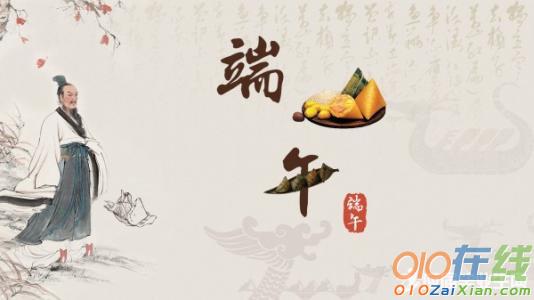
農歷五月初五,俗稱端午節,是華人夏季最盛大的傳統節日, 和春節、中秋并列為華人傳統三大節日。“端,初也”,也就是“開始”的意思。 按地支順序推算,五月為“午”,而“午”與“五”又同音, 所以,“端午”又稱“端五”。五月五日,月與日同為五,故古也稱為重五,與九月九日稱重九之意相同。 古人也把“午時”當作“陽辰”,所以端午也有“端陽”之稱。明清時代,北京一帶也把端午節稱作“女兒節”或“五月節”。
端午節起源的說法有好幾種, 其中以紀念兩千多年前,憤投汨羅江的中國大詩人屈原說最廣為流傳。
屈原是楚懷王時的大臣,備受楚懷王重用。 此舉引起上官大夫及令尹子蘭的嫉妒,誹謗屈原,離間楚王和屈原之間的關系。 楚王繼而逐漸疏遠屈原,甚至將屈原放逐。
眼見楚國瀕臨絕境,因讒臣誤國,將為秦國所滅,屈原滿懷悲憤,在寫下了絕筆作《懷沙》后,懷石投汨羅江自盡。
屈原死后,楚國的百姓哀痛非常,涌至汨羅江邊去憑吊屈原。 而漁夫們也撐起了船只,在江上打撈屈原的尸體。 他們還把粽子、雞蛋等食物,往江里面丟,希望喂飽魚蝦,不讓它們奪食屈原的尸體。
還有人拿了一壇雄黃酒倒進江里,希望藥暈江里的蛟龍。 據說,當時水面上浮起了一條昏暈的蛟龍,龍須上還沾著一片屈大夫的衣襟。 人們就把這惡龍拉上岸,抽了筋,把龍筋纏在孩子們的手和脖子上,又用雄黃酒抹七竅,使那些毒蛇害蟲都不敢來傷害這些小孩子。
因為屈原投江的那天是五月初五,從此以后,每年的這一天, 人們便要劃龍舟、吃粽子、喝雄黃酒來紀念屈原, 甚至還在這天到來時,特地把菖蒲或艾草插在門上。
端午節的來歷(雙語)
The Dragon Boat Festival, the 5th day of the 5th lunar month, has had a history of more than 2,000 years. It is usually in June in the Gregorian calendar.
端午節是古老的傳統節日,始于中國的春秋戰國時期,至今已有2000多年歷史。
There are many legends about the evolution of the festival, the most popular of which is in commemoration of Qu Yuan (340-278 BC). Qu Yuan was minister of the State of Chu and one of China's earliest poets. In face of great pressure from the powerful Qin State, he advocated enriching the country and strengthening its military forces so as to fight against the Qin. However, he was opposed by aristocrats headed by Zi Lan, and later deposed and exiled by King Huai.
據《史記》“屈原賈生列傳”記載,屈原,是春秋時期楚懷王的大臣。他倡導舉賢授能,富國強兵,力主聯齊抗秦,遭到貴族子蘭等人的強烈反對,屈原遭饞去職,被趕出都城,流放到沅、湘流域。
In his exiled days, he still cared much for his country and people and composed immortal poems including Li Sao (The Lament), Tian Wen (Heavenly Questions) and Jiu Ge (Nine Songs), which had far-reaching influences. In 278 BC, he heard the news that Qin troops had finally conquered Chu's capital, so he finished his last piece Huai Sha (Embracing Sand) and plunged himself into the Miluo River, clasping his arms to a large stone. The day happened to be the 5th of the 5th month in the Chinese lunar calendar.
他在流放中,寫下了憂國憂民的《離騷》、《天問》、《九歌》等不朽詩篇,獨具風貌,影響深遠(因而,端午節也稱詩人節)。公元前278年,秦軍攻破楚國京都。屈原眼看自己的祖國被侵略,心如刀割,但是始終不忍舍棄自己的`祖國,于五月五日,在寫下了絕筆作《懷沙》之后,抱石投汨羅江身死,以自己的生命譜寫了一曲壯麗的愛國主義樂章。
After his death, the people of Chu crowded to the bank of the river to pay their respects to him. The fishermen sailed their boats up and down the river to look for his body. People threw into the water zongzi (pyramid-shaped glutinous rice dumplings wrapped in reed or bamboo leaves) and eggs to divert possible fish or shrimp from attacking his body. An old doctor poured a jug of reaglar wine (Chinese liquor seasoned with realgar) into the water, hoping to turn all aquatic beasts drunk. That's why people later followed the customs such as dragon boat racing, eating zongzi and drinking realgar wine on that day.
傳說屈原死后,楚國百姓哀痛異常,紛紛涌到汨羅江邊去憑吊屈原。漁夫們劃起船只,在江上來回打撈他的真身。有位漁夫拿出為屈原準備的飯團、雞蛋等食物,“撲通、撲通”地丟進江里,說是讓魚龍蝦蟹吃飽了,就不會去咬屈大夫的身體了。人們見后紛紛仿效。一位老醫師則拿來一壇雄黃酒倒進江里,說是要藥暈蛟龍水獸,以免傷害屈大夫。后來為怕飯團為蛟龍所食,人們想出用楝樹葉包飯,外纏彩絲,發展成棕子。
Dragon boat racing is an indispensable part of the festival, held all over the country. As the gun is fired, people will see racers in dragon-shaped canoes pulling the oars harmoniously and hurriedly, accompanied by rapid drums, speeding toward their destination. Folk tales say the game originates from the activities of seeking Qu Yuan's body, but experts, after painstaking and meticulous research, conclude that dragon boat racing is a semi-religious, semi-entertaining program from the Warring States Period (475-221 BC). In the following thousands of years, the game spread to Japan, Vietnam and Britain as well as China's Taiwan and Hong Kong. Now dragon boat racing has developed into an aquatic sports item which features both Chinese tradition and modern sporting spirit. In 1980, it was listed into the state sports competition programs and has since been held every year. The award is called "Qu Yuan Cup."
賽龍舟,是端午節的主要習俗。相傳起源于古時楚國人因舍不得賢臣屈原投江死去,許多人劃船追趕拯救。他們爭先恐后,追至洞庭湖時不見蹤跡。之后每年五月五日劃龍舟以紀念之。借劃龍舟驅散江中之魚,以免魚吃掉屈原的身體。競渡之習,盛行于吳、越、楚。 其實 ,“龍舟競渡”早在戰國時代就有了。在急鼓聲中劃刻成龍形的獨木舟,做競渡游戲,以娛神與樂人,是祭儀中半宗教性、半娛樂性的節目。后來,賽龍舟除紀念屈原之外,在各地人們還付予了不同的寓意。此外,劃龍舟也先后傳入鄰國日本、越南等及英國。1980年,賽龍舟被列入中國國家體育比賽項目,并每年舉行“屈原杯”龍舟賽。
Zongzi is an essential food of the Dragon Boat Festival. It is said that people ate them in the Spring and Autumn Period (770-476 BC). In early times, it was only glutinous rice dumplings wrapped in reed or other plant leaves and tied with colored thread, but now the fillings are more diversified, including jujube and bean paste, fresh meat, and ham and egg yolk. If time permits, people will soak glutinous rice, wash reed leaves and wrap up zongzi themselves.
Otherwise, they will go to shops to buy whatever stuff they want. The custom of eating zongzi is now popular in North and South Korea, Japan and Southeast Asian nations.
端午節吃粽子,這是中國人民的又一傳統習俗。粽子,又叫“角黍”、“筒粽”。其由來已久,花樣繁多。 據記載,早在春秋時期,用菰葉(茭白葉)包黍米成牛角狀,稱“角黍”;用竹筒裝米密封烤熟,稱“筒粽”。一直到今天,每年五月初,中國百姓家家都要浸糯米、洗粽葉、包粽子,其花色品種更為繁多。從餡料看,北方多包小棗的北京棗粽;南方則有豆沙、鮮肉、火腿、蛋黃等多種餡料,其中以浙江嘉興粽子為代表。吃粽子的風俗,千百年來,在中國盛行不衰,而且流傳到朝鮮、日本及東南亞諸國。
On Dragon Boat Festival, parents also need to dress their children up with a perfume pouch. They first sew little bags with colorful silk cloth, then fill the bags with perfumes or herbal medicines, and finally string them with silk threads. The perfume pouch will be hung around the neck or tied to the front of a garment as an ornament. They are said to be able to ward off evil.
端午節小孩佩香囊,傳說有避邪驅瘟之意,實際是用于襟頭點綴裝飾。香囊內有朱砂、雄黃、香藥,外包以絲布,清香四溢,再以五色絲線弦扣成索,作各種不同形狀,結成一串,形形色色,玲瓏可愛。
【屈原端午節的故事縮寫】相關文章:
2.端午節屈原的故事
3.端午節的故事屈原
4.屈原的故事
本文來源:http://www.nvnqwx.com/wenxue/gushihui/1944296.htm