介紹山西的作文1
今年暑假,我和爸爸、媽媽、姐姐,去了中國古文化博物館山西。在山西,我去了平遙的古城、靈石縣的王家大院和祁縣的喬家大院,這三個地方,使我記憶猶新。下面,請聽我娓娓道來吧!
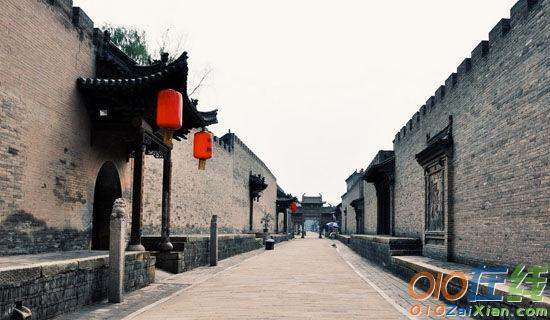
王家大院
王家大院,始建于明末,建成于清朝,距今已有好幾百年的歷史了。他們家有農,從商到官,官至二品。他們家有一個院落是為皇帝出行訪問時居住的,之所以皇帝一外出就到王家大院住,是因為王家大院很像紫禁城,還有王家大院的后院,像故宮一樣,很氣派。
喬家大院
喬家大院,始建于清乾隆時期,后又在清同治、光緒年間及民國初年多次增修,時間雖跨過了兩個世紀,卻保持了建筑風格的渾然天成。其中大當家喬致庸的屋子,寬1。5,長2米,防火、防盜、防偷聽等,因為他們家是經商的,他們家的錢占當時國庫的七分之一。
平遙古城
當我去平遙古城時,已經接近黃昏了。在古城,我走在一條條美食街上,很興奮,琳瑯滿目的美食,使我這個“吃貨”的眼睛看不過來了,就連空氣中都彌漫著誘人的香氣,有金黃的蛋黃酥、鮮紅的牛肉等。我吃了好多的美食,有刀削面、剔尖、石頭餅、莜面栲栳姥、烤梨等。
王家大院和喬家大院的建筑,蘊含著許多中華文化知識,而平遙古城的美食是不是給人一種垂涎欲滴的感覺呢?美食不是靠嘴說出來的,而是要親自去嘗試,去過平遙的人都知道“我在平遙等你”這句話在哪兒。有時間,你也去山西逛逛吧!
介紹山西的作文2
大家好!我來自山西。一提到山西。不得不說說山西的醋和煤。被稱為煤鄉的山西。名不虛傳--煤產量居全國第一。山西已經建起大同、陽泉、西山、汾西、潞安、晉城、軒崗等七個大型礦務局和霍州中型礦務局以及東山、蔭營、小峪、王坪、寨溝、固莊、南莊等八個小統配礦務局,此外還有一個全國最大的中外合資露天煤礦。起儲量之大。足以看出。說起醋,我得多說:明清以來,山西便以醋名揚海內外,成為當時山西的一大支柱產業。上千年的歷史積淀,不僅使山西形成了深厚的“醋文化”,而且制醋作坊遍地開花,延綿至今山西仍有制醋企業1100多家,年產量25萬噸,約占全國總產量的十分之一,居全國之首,其中老陳醋年產量15萬噸。擁有輝煌歷史的山西老陳醋在中國醋業一騎絕塵。
毫不夸張的說,山西醋業正處在一個生死抉擇的關口。一方面,省內多而小的企業連年征戰,不僅消耗資源而且破壞市場,企業越來越弱;另一方面,外省企業不斷發展壯大,形成了對山西醋業的強大壓力。山西醋業面臨著前所未有的嚴峻挑戰。
我的演講就到這里。希望山西的醋和煤,可以給你永久的記憶。
謝謝。
介紹山西的作文3
Taiyuan, the capital of Shanxi Province, is bounded on three sides by mountains. It has a 2500-year history and in ancient times was an important military town. Now Taiyuan is one of China's heavy industrial cities and accounts for more than half the national coal mining output.
Taiyuan also has a wealth of tourist attractions and notably among these is the Jinci Temple. This is the city's most attractive temple although the Shuangta Si (Twin-Pagoda Temple) has become a symbol of Taiyuan on account of its unique architecture. Another major attraction is the Tianlong Shan Stone Caves where magnificent sculptures dating from the Tang Dynasty (618-907) may be seen.
Taiyuan benefits from convenient public transport systems as the city is the provincial transportation hub. Accommodation facilities have become more and more advanced over recent years and range from 5-star hotels to a selection of comfortable guest houses.
The gourmand should be aware that Shanxi noodles are highly reputed all over China, as well as the local vinegar. Other local delicacies are the Tou Nao, the Steamed Dumpling, Sausages and Mutton Soup. To accompany these wholesome foods there are Fen Jiu (Fen Wine) and Zhuye Qing (Zhuye Qing Wine). As well as its cuisine the city is noted for products such as finely crafted lacquer ware.
介紹山西的作文4
Taiyuan is a historic city, Gu Cheng Jinyang, was founded in about 497 BC, for the early capital of the Zhao. In 246 BC, Qin Shi Huang at the world for 36 counties, Taiyuan County home early, from the start of Taiyuan said. After the Northern Dynasties, Sui and Tang period, the city of Taiyuan has been for ages. In the Five Dynasties, has for the Hou Jin Yang, Han, the North's capital of Seoul. In 960 AD, Zhao Kuangyin to overthrow the Later Zhou Dynasty, the establishment of the Northern Song Dynasty, sent his brother Zhao Guangyi in the year 979 years to capture Jinyang, set fire to the city, the city reduced to ashes generation. In 982 AD, Zhao Guangyi and Pamela reconstruction will be assigned to the Department of Taiyuan City. It was not until early in this warlord Yan Xishan rule of Shanxi, Taiyuan, in order to the capital, and down more than two thousand years, the ancient city of Taiyuan, after the war, repeatedly replacement. April 24, 1949, the Chinese People's Liberation Army to capture Taiyuan before the end, the ancient city back to the hands of the people, then on to obtain a new lease on life. In the long history, Taiyuan, has developed its famous handicraft industry and commerce. As early as the Tang and Song period, Taiyuan, has become a more developed cities in the handicraft industry. Taiyuan Ceramics of the Song Dynasty, 'grain porcelain patterns' unique in the country. After the Yuan Dynasty, Taiyuan, the country's arms manufacturing center. Tang, Song, Taiyuan, the business has developed rapidly. Especially in the Ming Dynasty, when the Taiyuan major Nanguan workshops, shops spread all over, unprecedented, the ancients had 'Bi Tian Guang, the vein to' praise.
介紹山西的作文5
給大家猜個謎語“一葉落鍋一葉飄,一葉離面又出刀,銀魚落水翻白浪,柳葉乘風下樹梢”,家鄉的刀削面。怎么樣猜不出來了吧!哈哈,猜不出來了吧!告訴你吧,這就是我們山西的著名小吃——刀削面。
刀削面的做法很簡單,首先要揉面,要一直揉到不粘手為止;接著切點蔥花、香菜和白菜備用然后燒水;水燒開后,就可以下鍋了。把面團放在手上,再找一把削面刀,就可以開始了。隨著削面刀的來回穿梭,一葉葉又薄又“苗條”的面片便穩穩當當的落入了鍋中。等上三四分鐘,把切好的蔥花、香菜和白菜放進鍋中。再適當的放一些調味品調味。就這樣,一碗色、香、味俱全的刀削面就做好了。
怎么樣,聽我這么一說,心動了吧!那就快來品嘗品嘗吧。
本文來源:http://www.nvnqwx.com/zuowen/shanxi/1566818.htm