元旦節馬上就要到來了,進入了新的一年大家一定有很多感慨吧,設計一份元旦的英語手抄報吧,那么元旦的英文收抄報要怎么設計呢,一起去看看參考的設計圖吧!
元旦的手抄報全英文版1
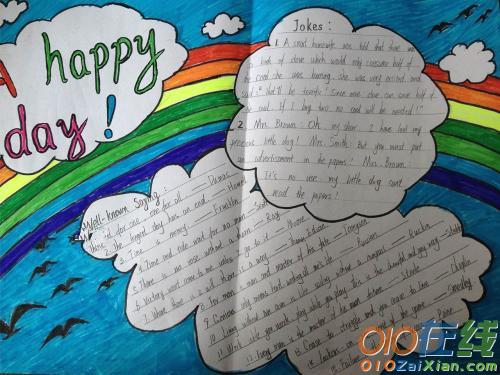
元旦的手抄報全英文版2
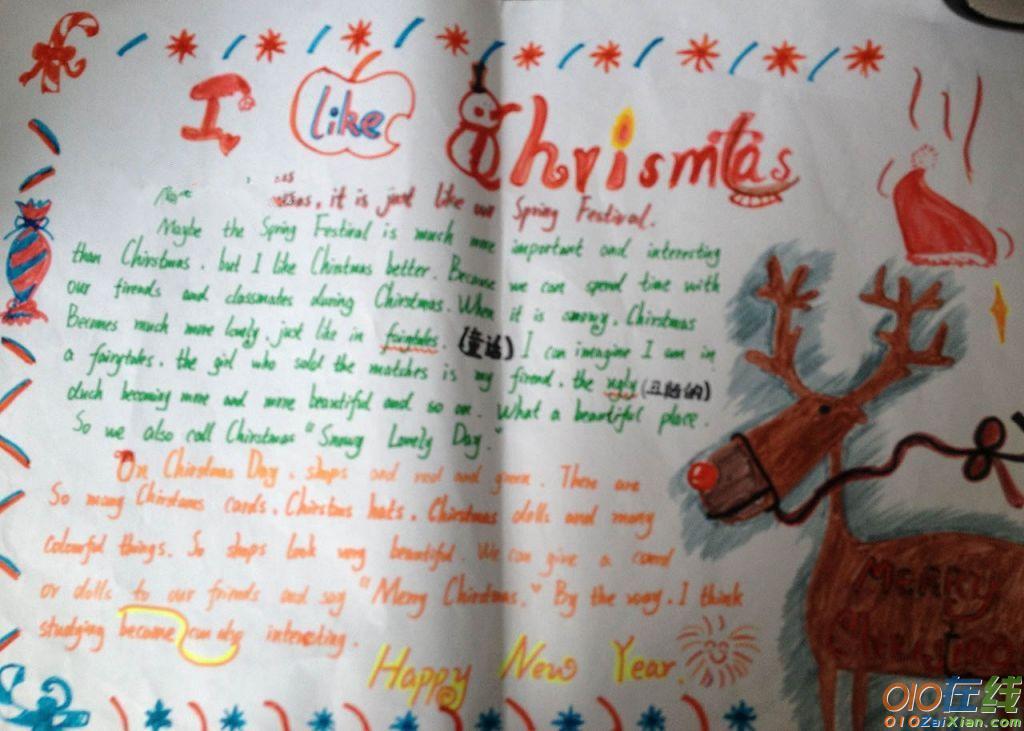
元旦的手抄報全英文版3
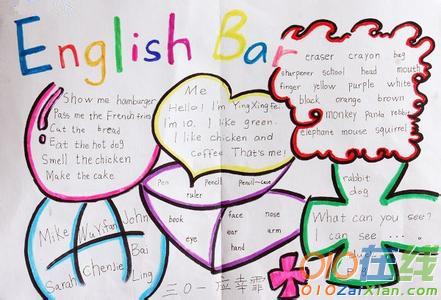
元旦的手抄報全英文版4
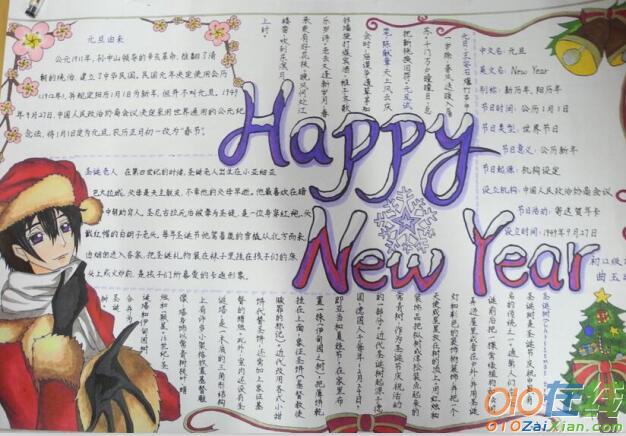
元旦的手抄報全英文版5
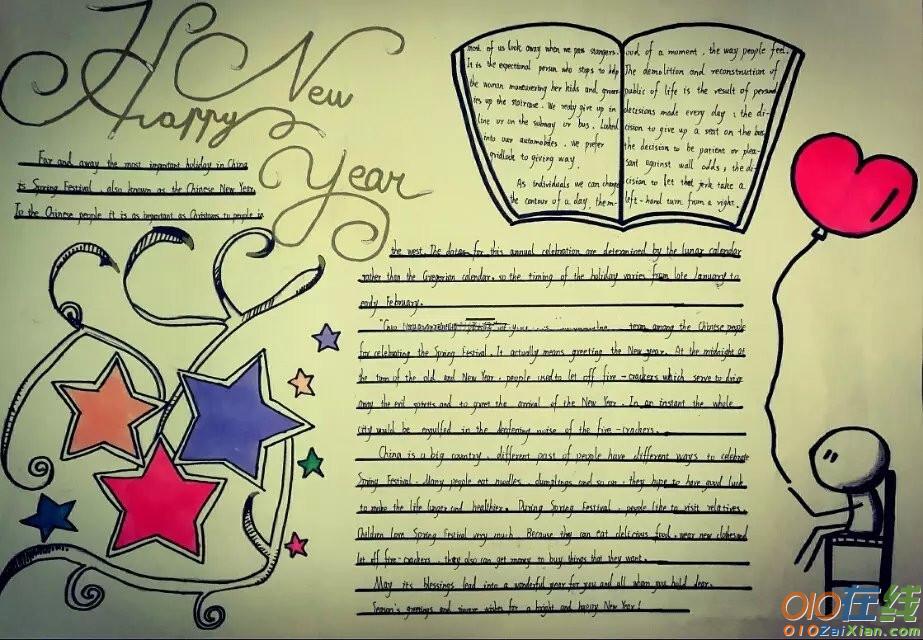
元旦的手抄報全英文版6
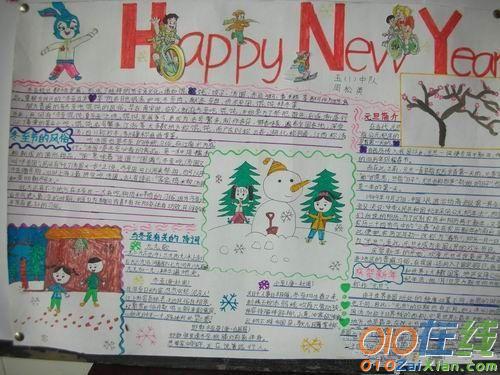
元旦的手抄報全英文版7
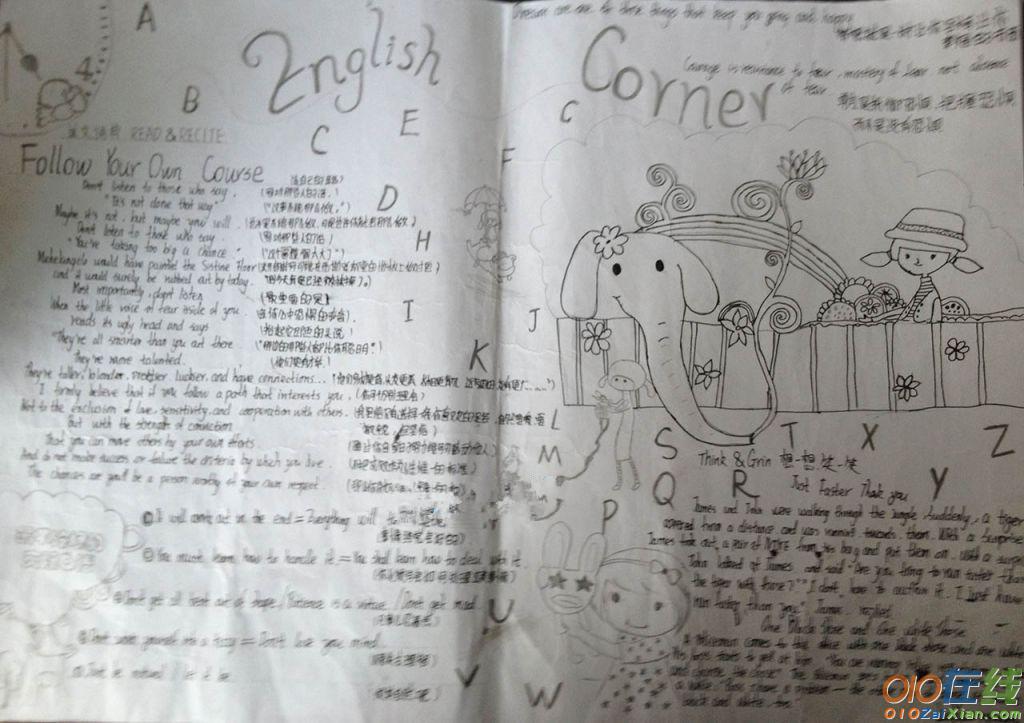
元旦的手抄報全英文版8
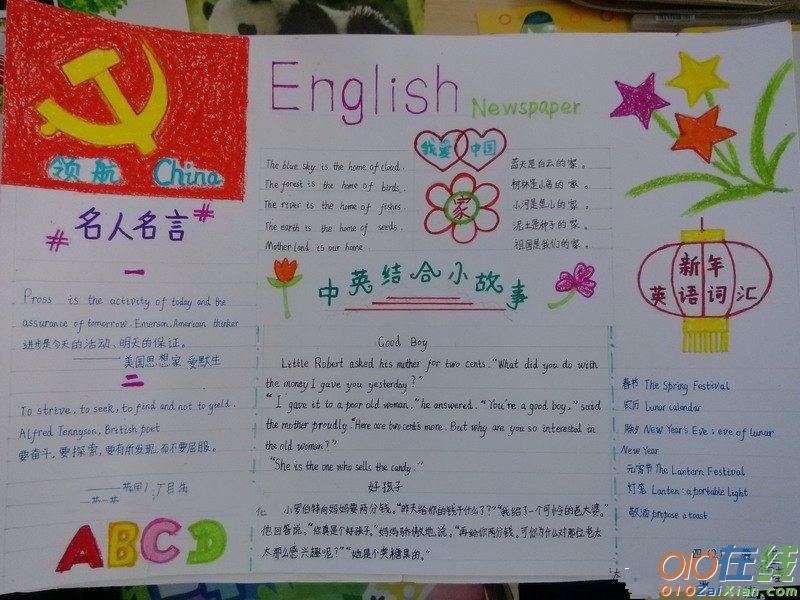
元旦的手抄報全英文版9
元旦英語介紹
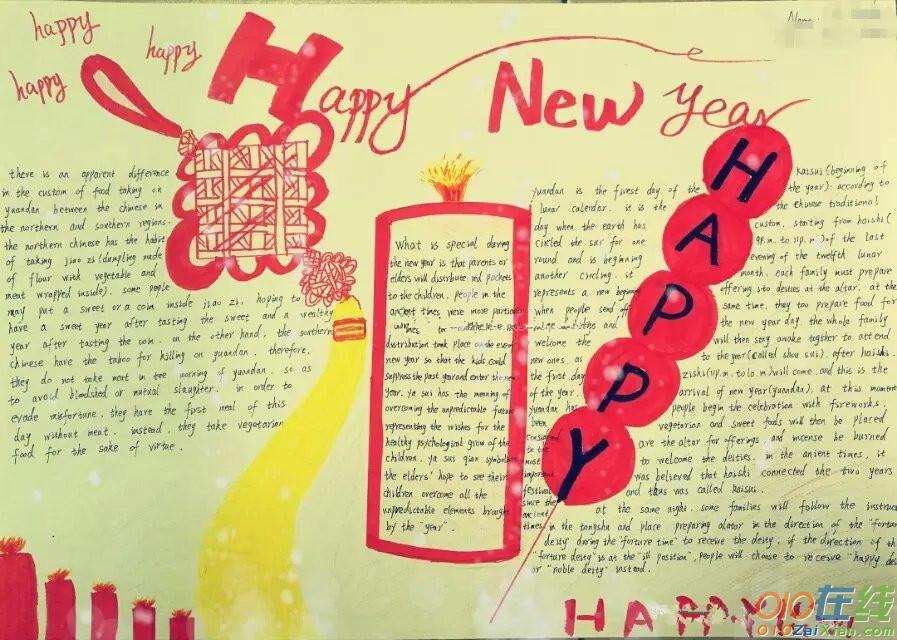
Yuandan is the first day of the lunar calendar. It is the day when the earth has circled the sun for one round and is beginning another circling. It represents a new beginning when people send off the old days and welcome the new ones. As the first day of the year, Yuandan has been considered to be the most important festival since the ancient times.
1. Kaisui(beginning of the year): According to the Chinese traditional custom, starting from haishi(9p.m. to 11p.m.)of the last evening of the twelfth lunar month, each family must prepare offering s to deities at the altar. At the same time, they too prepare food for the New Year day: The whole family will then stay awake together to attend to the year(called shou sui). After haishi, zishi(11p.m. to 1a.m.)will come, and this is the arrival of New Year(Yuandan). At this moment, people begin the celebration with fireworks. Vegetarian and sweet foods will then be placed are the altar for offerings, and incense be burned to welcome the deities. In the ancient times, it was believed that haishi connected the two years and thus was called kaisui.
At the same night, some families will follow the instruction in Tongshu and place preparing altar in the direction of the "fortune deity" during the "fortune time" to receive the deity. If the direction of the "fortune deity" is at the "ill position", people will choose to receive "happy deity" or "noble deity" instead.
2. There is an apparent difference in the custom of food taking on Yuandan between the Chinese in the northern and southern regions. The northern Chinese has the habit of taking jiao zi(dumpling made of flour with vegetable and meat wrapped inside). Some people may put a sweet or a coin inside jiao zi, hoping to have a sweet year after tasting the sweet and a wealthy year after tasting the coin. on the other hand, the southern Chinese have the taboo for killing on Yuandan. Therefore, they do not take meat in tee morning of Yuandan, so as to avoid bloodshed or mutual slaughter. In order to evade misfortune, they have the first meal of this day without meat. Instead, they take vegetarian food for the sake of virtue.
3. What is special during the New Year is that parents or elders will distribute red packets(ang pao or ya sui qian)to the children. People in the ancient times were more particular in giving away the red packets: the distribution took place on the eve of New Year so that the kids could suppress the past year and enter the New Year. Ya sui has the meaning of overcoming the unpredictable future. Representing the wishes for the healthy psychological growth of the children, ya sui qian symbolises the elders' hope to see their children overcome all the unpredictable elements brought by the "year".
元旦的英語作文
Yesterday my mother asked me a question, which makes me a joji monk - scratching their heads. she asked what i want new year‘s day gift, i said: i want to eat a lot of good food. mom heard shook his head and says: i did not that necessary, you change one. i yanzhuyizhuan, said: i want to go out play. my mother said: i do not have time, and so have time to talk. then i also mentioned several wishes, mother did not agree. toss this one night, thought of going to school the next day but also had to stop there either. so i harbored an uneasy feeling to sleep.
today, math teacher took a card into the classroom, i think: who is it? who will do it good luck card before? read to the teacher suddenly pondered: baby zhang qi won to your greeting cards. i was very surprised, i thought of classmates were just not thought of himself, i harbored doubts take over the card carefully and remembered feelings above the words happy baby zhang qi children a happy festival!
元旦英文祝福語
給父母親
Mom and Dad: Thank you for everything this holiday season!
爸爸媽媽:值此佳節,感謝您們所給予的一切。
I'll be home to enjoy this New Year with you.
我將回家與你們共度佳節。
A present from me is on the way. Hope you'll like it.
寄上一份禮物,希望你們會喜歡。
I wish I were home for the holidays.
但愿我能回家共度佳節。
Thinking of you at New Year's time.
佳節,我想念你們。
Best wishes from Mark, Janet and the kids.
馬克、珍妮特和孩子們,謹呈最誠摯的祝福。
Warmest thoughts and best wishes from your daughter.
寄上無限的思念和最美好的祝愿,你們的女兒。
Season's greetings from Xiao Li and Ming Ming.
獻上小麗和明明的節日問候。
A holiday wish from your son Tom.
寄上佳節的祝福,你們的兒子湯姆敬上。
May you have the best season ever.
愿你過個最愉快的節日。
A New year greeting to cheer you from your daughter.
愿女兒的祝福帶給您歡樂。
Happy New year to the world's best parents!
祝世界上最好的父母節日快樂!
Season's greetings to my dearest parents!
祝我最親愛的父母節日愉快!
本文來源:http://www.nvnqwx.com/sc/shouchaobao/2235477.htm